The Beginner’s Map to Art History: 11 Eras in 11 Minutes
Art history sounds like homework until you realize it’s actually the longest-running group chat in human history — 40,000 years of people leaving each other images. Here’s the whole conversation, era by era.
The Fast Version
Ancient Art gave us gods, pharaohs and the idea that images have power. The Middle Ages turned that power toward heaven — gold-ground icons, illuminated manuscripts, cathedrals as art you could walk inside.
Then the Renaissance (c. 1400–1600) rediscovered the human being. Perspective made pictures into windows; anatomy made bodies believable; Leonardo, Michelangelo and Raphael became the first celebrity artists. The Baroque (1600s) cranked up the drama — Caravaggio’s spotlight, Rembrandt’s shadows, Bernini’s marble that seems to breathe.
Romanticism chose emotion over reason; Realism answered by painting ordinary life with dignity. Then in the 1870s the Impressionists carried their easels outdoors and painted light itself — and the modern era began. The Post-Impressionists (Van Gogh, Cézanne, Seurat) pushed color from description toward feeling.
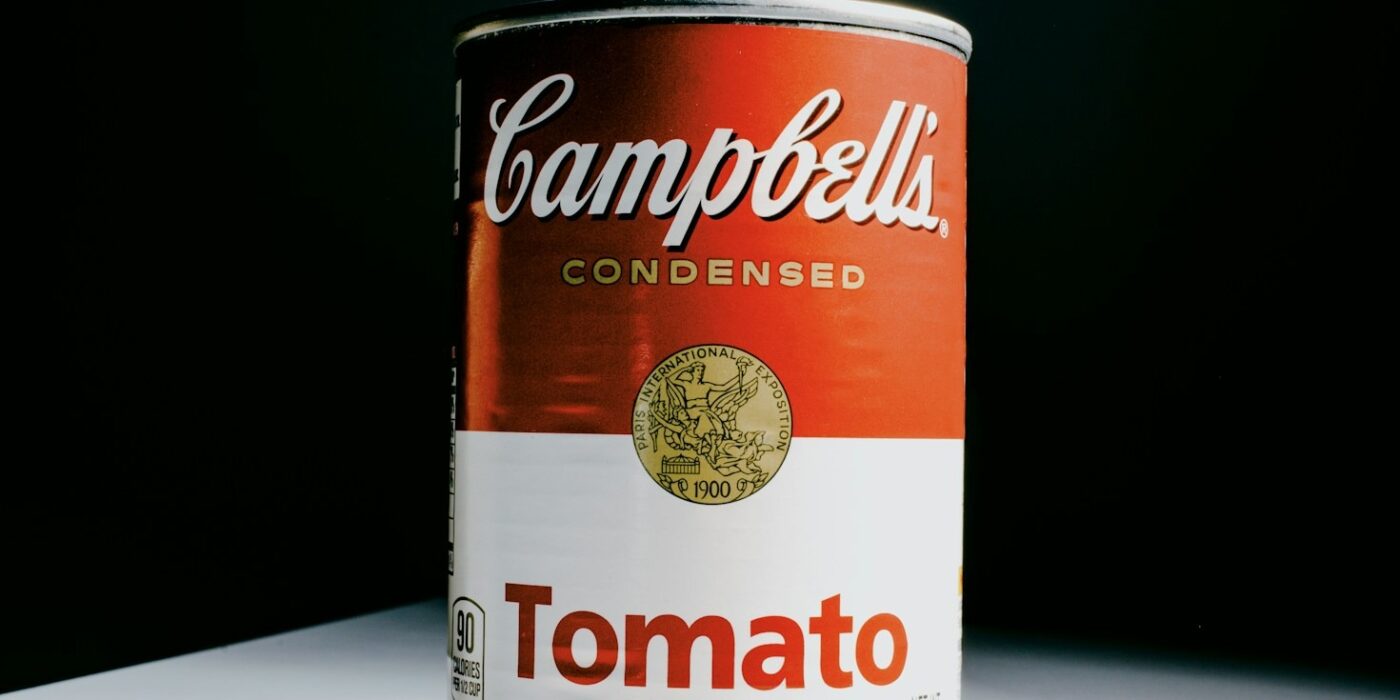
The twentieth century broke every remaining rule: Cubism shattered viewpoints, Surrealism painted dreams, Abstract Expressionism made the paint itself the subject. Then Pop Art pulled the supermarket into the museum — Warhol’s soup cans asked whether fame, brands and repetition were the real modern landscape. (Spoiler: he was right.)
Finally, Street Art took the museum back outside, and Digital & AI Art turned code into a brush. Which is where you come in.
Your Next Step
Walk the full interactive timeline in our Art School, then test yourself in the Art Arcade. Eleven eras will feel like eleven old friends within a month.