AI in Art: From Warhol’s Factory to the Prompt Box
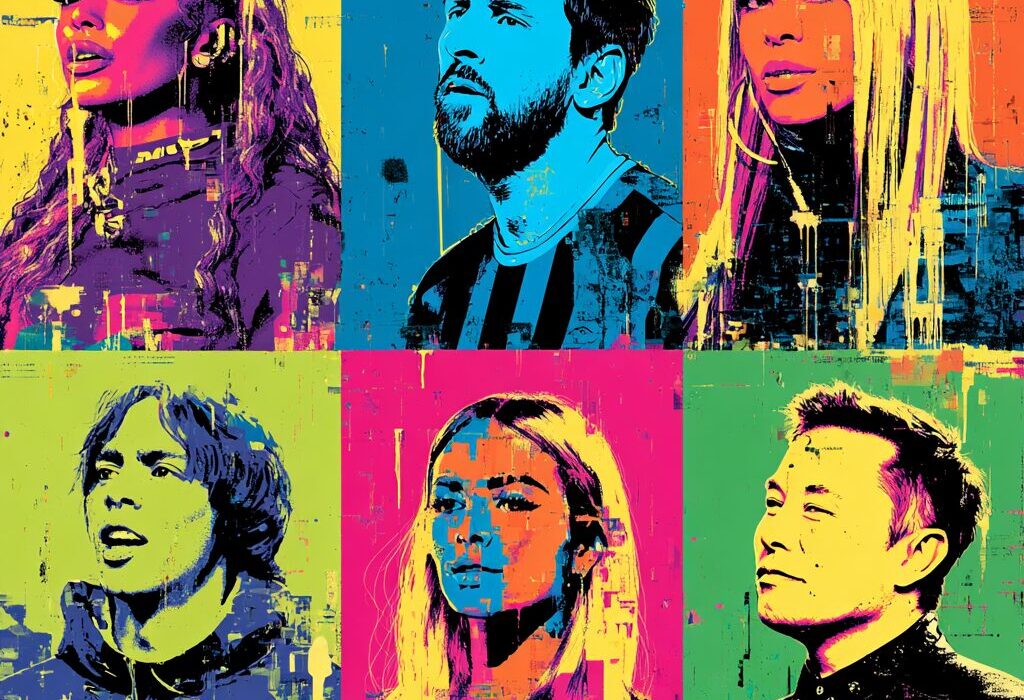
In 1963 Andy Warhol said, “I want to be a machine.” He built The Factory, embraced silkscreen printing precisely because it removed the artist’s hand, and argued that repetition and mass production were the true art forms of modern life. Sixty years later, the machines finally answered back.
Warhol Predicted the Prompt
Look at how a silkscreen worked: Warhol chose an image, chose the colors, set the process running, and embraced the beautiful accidents — misregistrations, smudges, variations. The artistry lived in selection and direction, not manual rendering. That is, almost exactly, how working with an AI image generator feels today. You choose the subject, direct the style, run the process, and curate the accidents.
What AI Changes (and What It Doesn’t)
AI collapses the distance between imagining and seeing. An idea that once needed years of technique can be visualized in seconds. That’s genuinely new. But three things haven’t changed at all:
- Taste still rules. The tool generates options; only a human eye knows which one matters.
- Ideas still win. A brilliant concept badly rendered beats a hollow image perfectly rendered — Warhol’s soup can proved that forever.
- Craft still compounds. The artists getting remarkable results from AI are the ones who understand composition, color and art history — because they know what to ask for.
Use It Like an Artist
Treat generations as sketches. Iterate one variable at a time. Study movements and the public domain rather than mimicking living artists. And keep making things with your hands too — the Guru’s rule is that the prompt box and the sketchbook feed each other.
Ready to practice? Our AI & Art hub has a full prompting framework, and the Arcade will train your eye while you play.