Art School
Art history is not a list of dates — it’s the greatest story humans ever told about themselves. Here’s the whole journey, from cave walls to neural networks, in one scrollable timeline. Click any era in the blog to go deeper.
🕰️ The Timeline of Art
Ancient Art to c. 400
Egyptian tomb painting, Greek sculpture, Roman mosaics — art in service of gods and empires.
Middle Ages c. 400–1400
Illuminated manuscripts, cathedrals and gold-ground icons across medieval Europe.
Renaissance c. 1400–1600
Perspective, anatomy and humanism — Leonardo, Michelangelo and Raphael rewire Western art.
Baroque c. 1600–1750
Drama, movement and theatrical light from Caravaggio, Rembrandt and Bernini.
Romanticism c. 1780–1850
Emotion, nature and the sublime take over from cool classical reason.
Impressionism c. 1860–1890
Monet and friends step outdoors to paint fleeting light with broken color.
Post-Impressionism c. 1885–1910
Van Gogh, Cézanne and Seurat push color and structure toward the modern.
Modern Art c. 1900–1970
Cubism, Surrealism, Abstract Expressionism — a century of glorious rule-breaking.
Pop Art c. 1955–1975
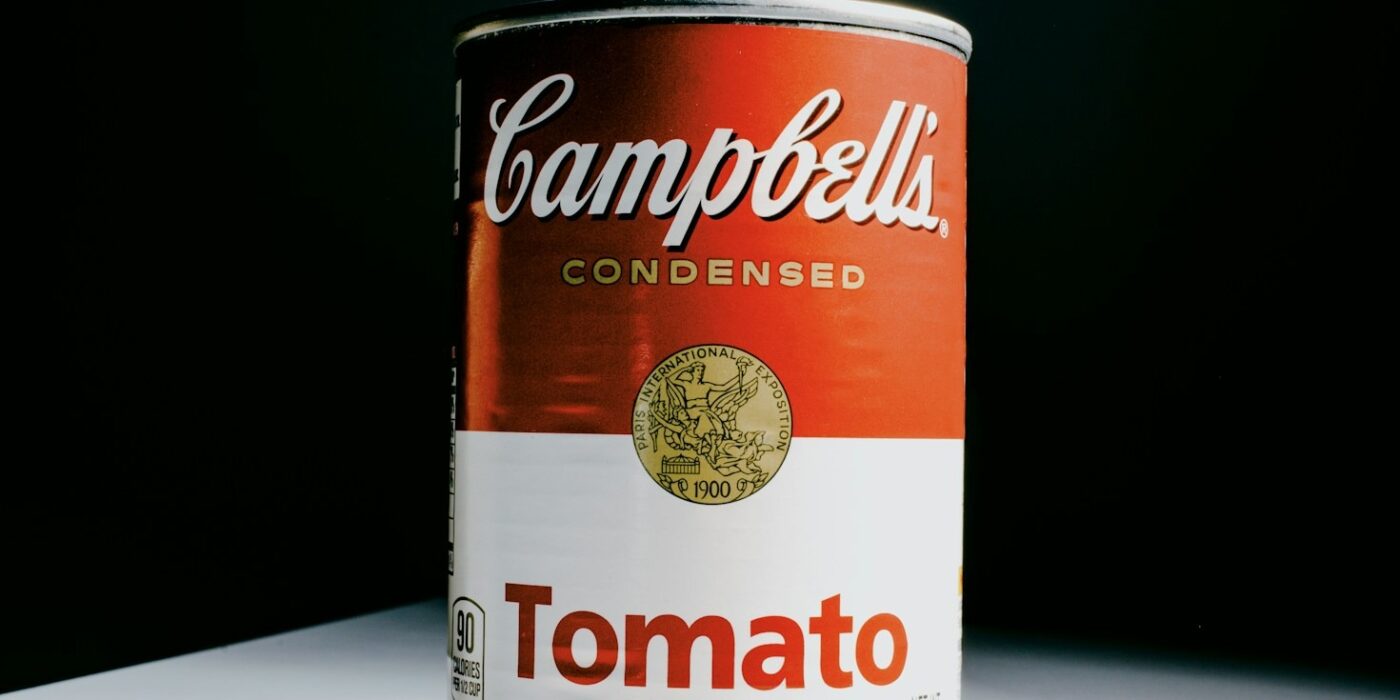
Warhol and Lichtenstein turn soup cans, comics and celebrities into fine art.
Street & Contemporary c. 1975–2010
Graffiti, installation and global voices — Basquiat, Haring, Kusama, Banksy.
Digital & AI Art c. 2010–now
Pixels, code, NFTs and neural networks become brushes of the present.
🎓 How to Actually Learn Art History (Free)
You don’t need a degree — you need a path. Here’s the one the Guru recommends:
- Start with stories, not dates. Watch a few Smarthistory videos on artworks that catch your eye.
- Get the map. Skim the Met’s Timeline of Art History so the eras connect in your head.
- Go deep on one artist. Pick anyone from our Creators & Designers hall and read everything about them on WikiArt.
- Look at real art weekly. Use Google Arts & Culture to zoom into brushstrokes at gigapixel scale.
- Test yourself. Play the Art Arcade quiz until the movements feel like old friends.
📚 Movements Cheat Sheet
Renaissance = perspective and humanism. Baroque = drama and light. Romanticism = emotion and nature. Impressionism = fleeting light outdoors. Post-Impressionism = color pushed to feeling. Cubism = many viewpoints at once. Surrealism = dreams on canvas. Abstract Expressionism = paint as pure emotion. Pop Art = the supermarket becomes the museum. Street Art = the museum escapes to the wall. Digital & AI Art = the brush becomes code.