AI & Art
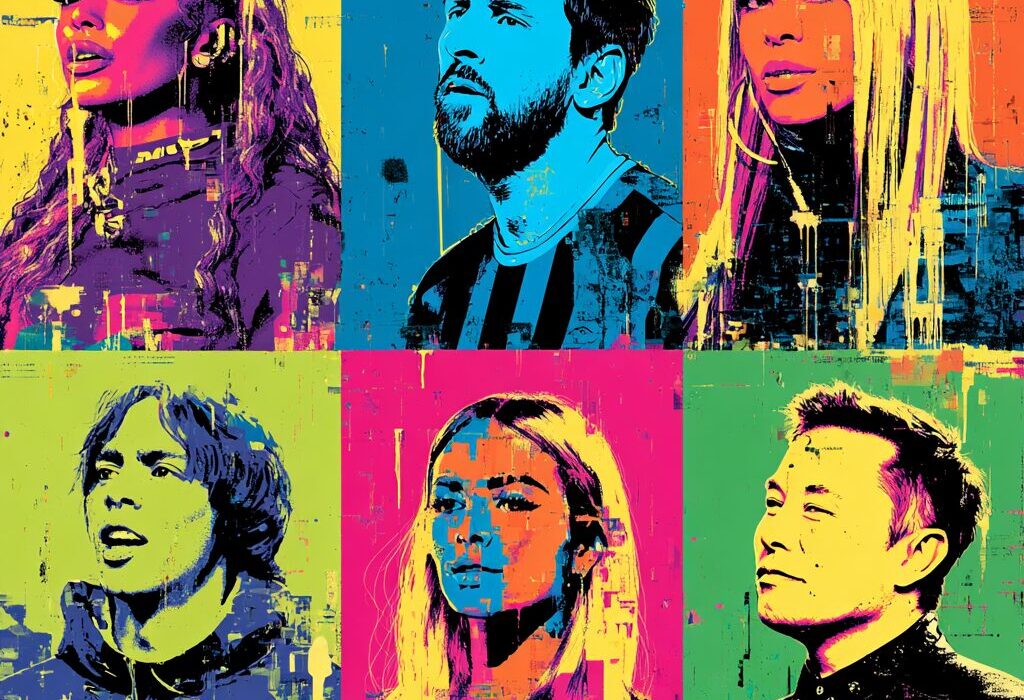
Andy Warhol said he wanted to be a machine. Today, machines want to be Warhol. This hub is your honest, hype-free guide to creating with AI — what it’s great at, where it falls short, and how to use it as a genuine creative instrument rather than a slot machine.
🤖 What AI Art Tools Actually Do
Modern image generators learn statistical patterns from enormous image collections, then produce new images that match your text description. They are astonishing at style, mood and combination — and still clumsy at precision, text and intent. That gap is where you come in. The artist’s job hasn’t disappeared; it has moved upstream into imagination, taste and editing.
✍️ Prompting Like a Pop Artist
A strong prompt usually names five things:
- Subject — what’s in the frame (“a golden retriever astronaut”)
- Style — the artistic language (“in the style of 1960s silkscreen pop art”)
- Color — the palette (“hot pink, acid yellow, electric cyan”)
- Composition — the arrangement (“centered portrait, repeated in a 2×2 grid”)
- Mood — the feeling (“playful, bold, slightly absurd”)
Then iterate. Treat every generation as a sketch, not a verdict. Change one variable at a time and watch what the model does with it — that’s how you develop prompt literacy.
⚖️ Create Responsibly
Study styles from movements and the public domain rather than imitating living artists’ signature looks; credit your tools; and never present AI output as hand-made work. The goal is a bigger creative toolbox — not a shortcut around respect for creators.
🎮 Practice Here
Warm up your visual thinking in the Art Arcade — the meme generator and color matcher are secretly prompt-training in disguise. Then read our AI articles on the blog.